
Scientifically rigorous microbial challenge studies designed to validate food safety, shelf-life stability, and preservative performance. Our customized, NACMCF-aligned protocols deliver regulatory-ready data you can trust for product development, process validation, and compliance decisions.
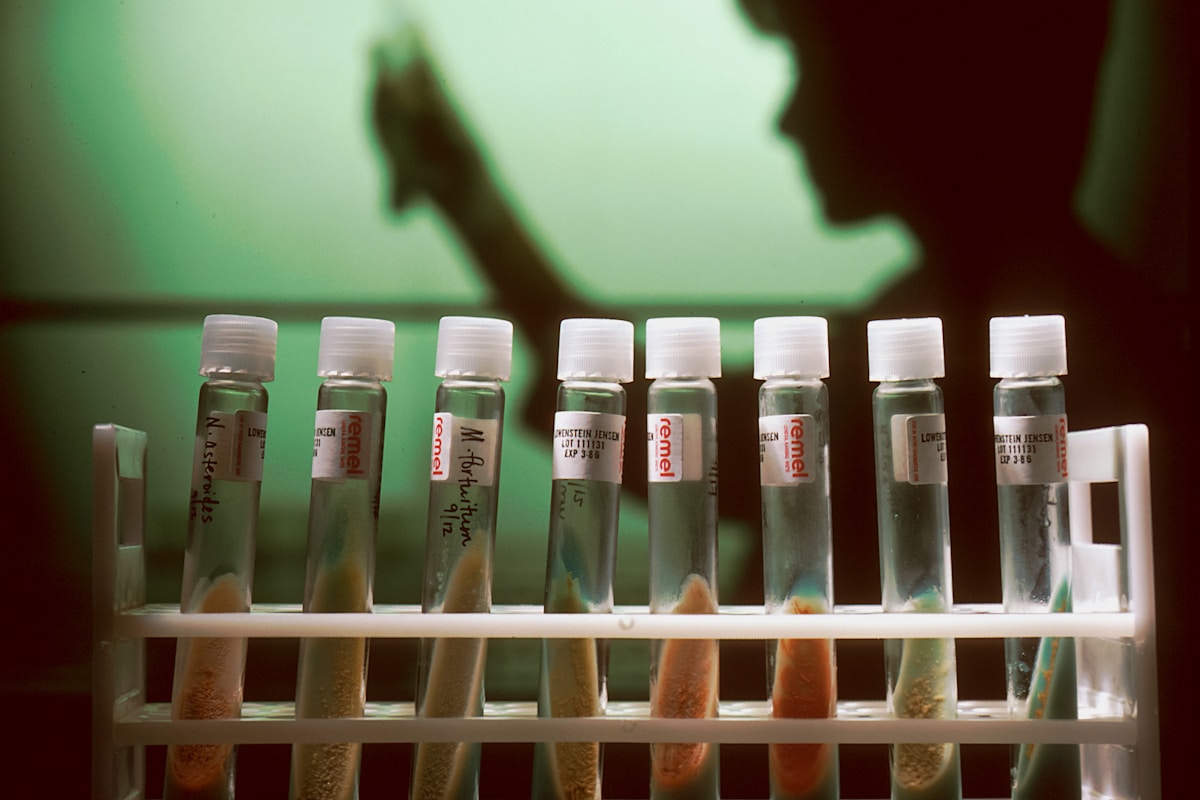
Microbial challenge testing (also known as an inoculated pack study) is a specialized laboratory procedure where a food or beverage product is deliberately contaminated with relevant pathogenic or spoilage microorganisms. This controlled inoculation allows scientists to observe how these microbes behave within the actual product matrix under realistic storage conditions—revealing whether they grow, survive, or are inactivated over time.
These studies provide critical, product-specific data to assess risks to both food safety and shelf-life stability.
Fully customized challenge studies align with the National Advisory Committee on Microbiological Criteria for Foods (NACMCF) 2010 guidelines, ensuring scientific rigor, statistical validity, and expert interpretation.
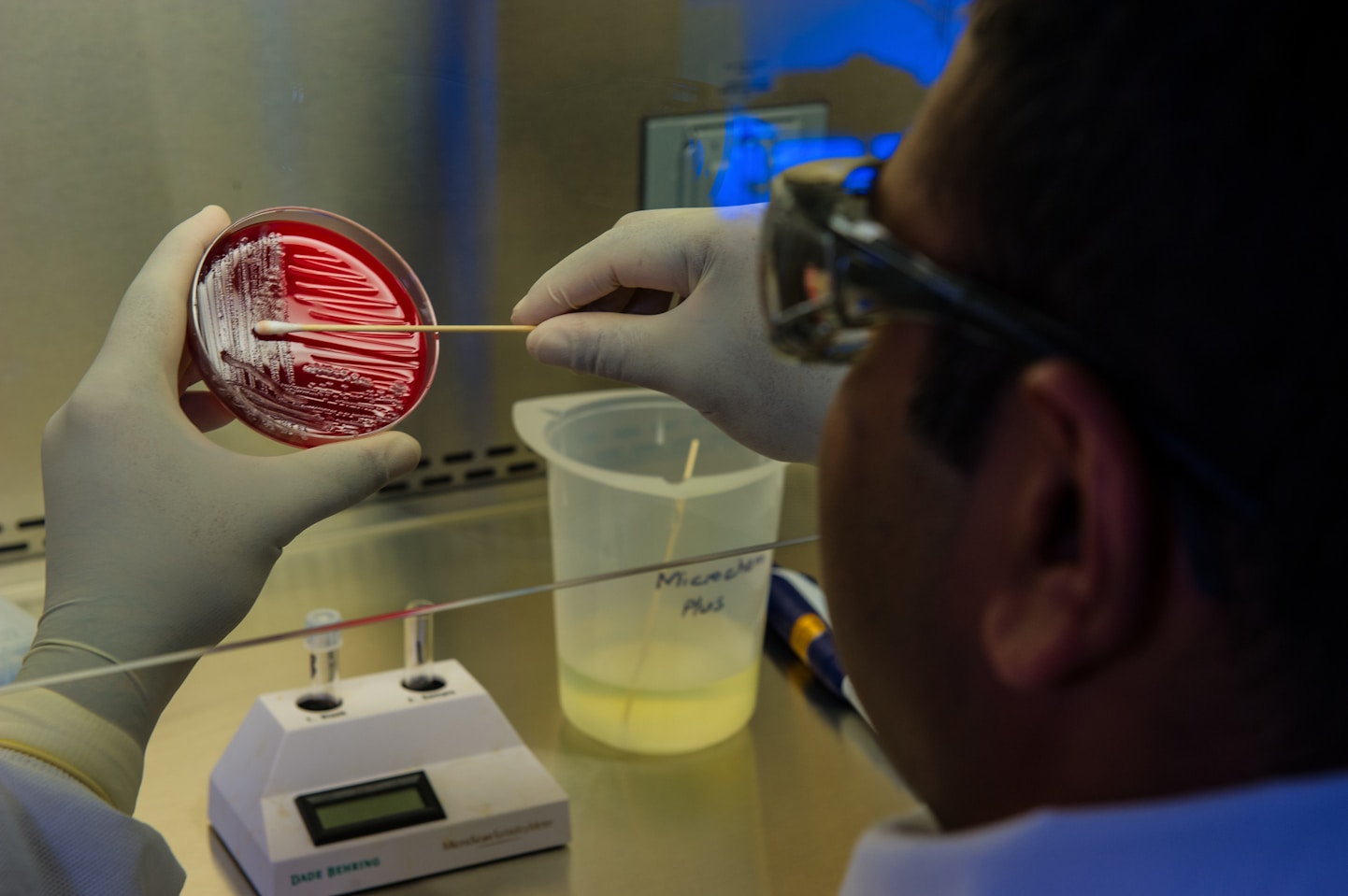
These studies play a key role in new product development, process validation, preservative efficacy testing, and supporting food safety plans such as HACCP or FSMA compliance.

Challenge studies are tailored to your specific goals. The three main categories are
Assess if the product prevents growth of pathogens or spoilage organisms under intended (or abusive) storage
No increase (or ≤1 log) over shelf life
Verifying a refrigerated product remains stable for 60+ days
Evaluate if the formulation actively reduces viable counts of target pathogens over time
≥5-log reduction within a defined period
Supporting regulatory filings for acidified foods under 21 CFR 114 (E. coli O157:H7, Salmonella, L. monocytogenes)
Measure both initial pathogen kill and long-term inhibition of survivors/spoilage microbes
Initial log reduction + no subsequent growth
Hot-fill or fermented products where acidity drives early kill but spoilage yeasts/molds could emerge later
arget organisms are selected based on product type, formulation, processing conditions, and regulatory expectations, ensuring challenge studies reflect realistic contamination risks and worst-case scenarios.
Standard refrigerated conditions, temperature abuse ranges, ambient and abuse ambient profiles, and thermophilic conditions up to 55°C.
Incubators are programmable to any required profile, including:
Enumeration of survivors using standard plating or MPN, key chemistry measurements, toxin screening when relevant, and sensory or organoleptic assessment including gas, off-odors, texture changes, and visible growth.
At each time point we perform:
1.What is the primary goal safety validation, shelf-life extension, or preservative efficacy?
2.What pass/fail criteria make sense (e.g., no growth, ≥3–5 log kill)?
3.Are results intended for FDA process filings, FSMA documentation, or customer requirements?
4.Do you need surrogate organisms for high-risk pathogens?
Our team of expert food microbiologists and process authorities work with with you from protocol design through final reporting, delivering clear, regulatory-ready data you can trust.
Ready to validate your product’s microbial safety and stability?


The Baseline of Truth

The Safety Standard

The Industry Apex
A successful microbial challenge study requires meticulous planning. Every factor—from product properties to inoculum preparation and storage conditions—is evaluated to ensure results are scientifically valid, statistically robust, and defensible for regulatory or internal purposes.
Evaluate intrinsic product factors such as pH, water activity (aₓ), preservatives, salt, and worst-case variations to ensure the study reflects realistic conditions.
Select appropriate pathogens or spoilage strains, including multi-strain cocktails for robustness, to accurately simulate real-world contamination risks.
Prepare the inoculum at typical levels of 10²–10⁴ CFU/g to mimic realistic contamination without overwhelming product hurdles.
Choose the proper inoculation technique—surface, mixed, or separate packs based on the product type and study objectives.
Apply relevant storage temperatures, including normal and abuse scenarios, to assess microbial behavior throughout shelf life.
Design a sampling schedule with sufficient replicates to ensure statistical power and reliable interpretation of results.
Plan the study to cover the full product shelf life plus a safety margin to account for potential variances in real-world conditions.
Define criteria aligned with regulatory requirements or internal standards to objectively evaluate study outcomes.
All protocols are reviewed by Ph.D.-level food microbiologists to ensure scientific rigor, reproducibility, and defensibility.
Real feedback from the people and businesses who rely on our expertise and appreciate our commitment to dependable, high-quality service.

Peptide Vendor

Dietary Supplement Brand

Home Inspector

Dietary Supplement Brand

Dietary Supplement Brand