Residual Solvent Testing & Analysis

Residual solvent screening identifies trace solvents remaining from botanical extraction processes, helping ensure products are solvent-free, safe for consumers, and compliant with ICH and workplace safety regulations.

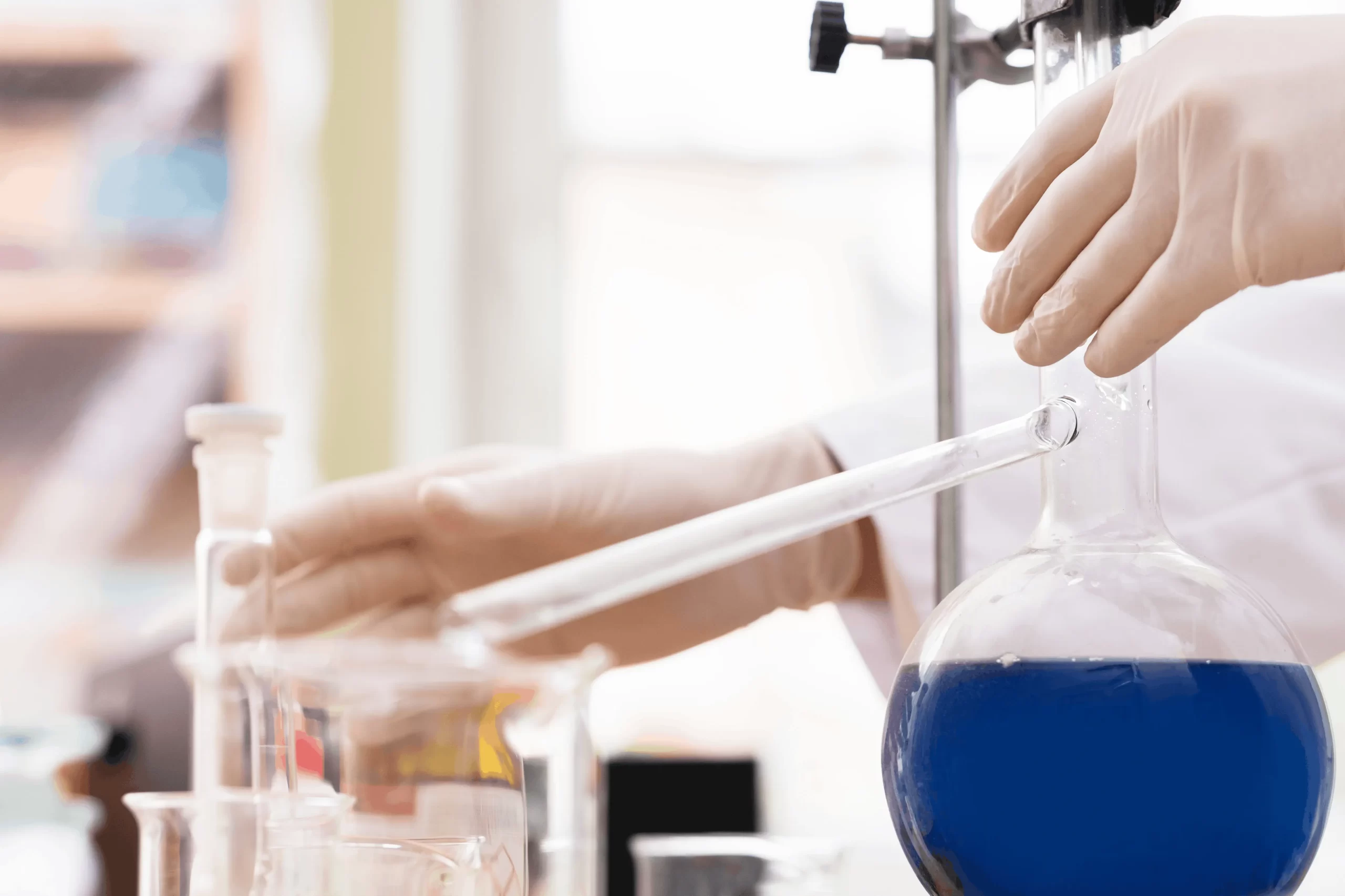
Residual solvent testing and analysis laboratory screening botanical extracts for trace solvents to ensure ICH compliance and consumer safety

Why Screen for Residual Solvents?

When solvents are used to extract compounds from plant material, trace amounts of those solvents can unintentionally remain in the finished product. These residual solvents may pose safety risks and must be monitored before products are released to market.

Working with Vanguard Laboratory helps ensure that botanical products are solvent-free and meet both internal quality standards and regulatory requirements.

Regulatory & Safety Compliance

In addition to ICH limits governing residual solvent content, the Occupational Safety and Health Administration (OSHA) has established permissible exposure limits (PELs) to protect workers handling approved solvents. These limits define the maximum average concentration a worker can be exposed to over an 8-hour work period. Residual solvent screening helps confirm compliance with both product safety regulations and workplace exposure standards.

ICH Residual Solvent Classification

Excluding ethanol, allowable limits for solvent residues in botanical products are defined by the International Conference on Harmonization (ICH).

Class 1 Solvents

Extremely hazardous solvents including known or suspected human carcinogens. The ICH recommends avoiding these solvents entirely during production.

Class 2 Solvents

Solvents with recognized toxicity that require solvent-specific exposure limits. The ICH recommends limiting their use and strictly controlling residue levels.

Class 3 Solvents

Solvents with lower toxicity and a permitted exposure limit of 50 mg per day. Residual solvent content must not exceed 0.5 percent by weight.

Verified by Vanguardâ„¢

Science You Can See. Purity You Can Trust.

Vanguard Verified (Silver)

The Baseline of Truth

Vanguard Validated (Gold)

The Safety Standard

Vanguard Certified (Elite)

The Industry Apex

Frequently Asked Questions

How long does testing take?

5-8 days for purity/quantity testing. Sterility takes 15 days. Rush options available.

We test 100+ research peptides including Semaglutide, Tirzepatide, BPC-157, TB-500, and more. Don’t see yours? Contact us – we’re always adding new methods.
Our HPLC methods are validated to USP <1225> standards. We’re ISO/IEC 17025 certified with Ph.D. chemists reviewing every result.
Absolutely. All samples and results are handled with strict confidentiality. We never share client information.
We recommend testing each new batch. Peptide purity can vary significantly between batches from the same vendor.
Yes. Verified by Vanguard certification is available for qualifying products after testing.
Yes. Bulk and volume-based discount pricing is offered.
You receive a Certificate of Analysis (COA) and detailed test reports.
Yes. Our experts can assist with interpreting and explaining results.