
Goji berry: botanical (fruit).
Goji berry testing at Vanguard Laboratory: identity, purity and quantity $250 per sample, with results in 3 to 5 business days.
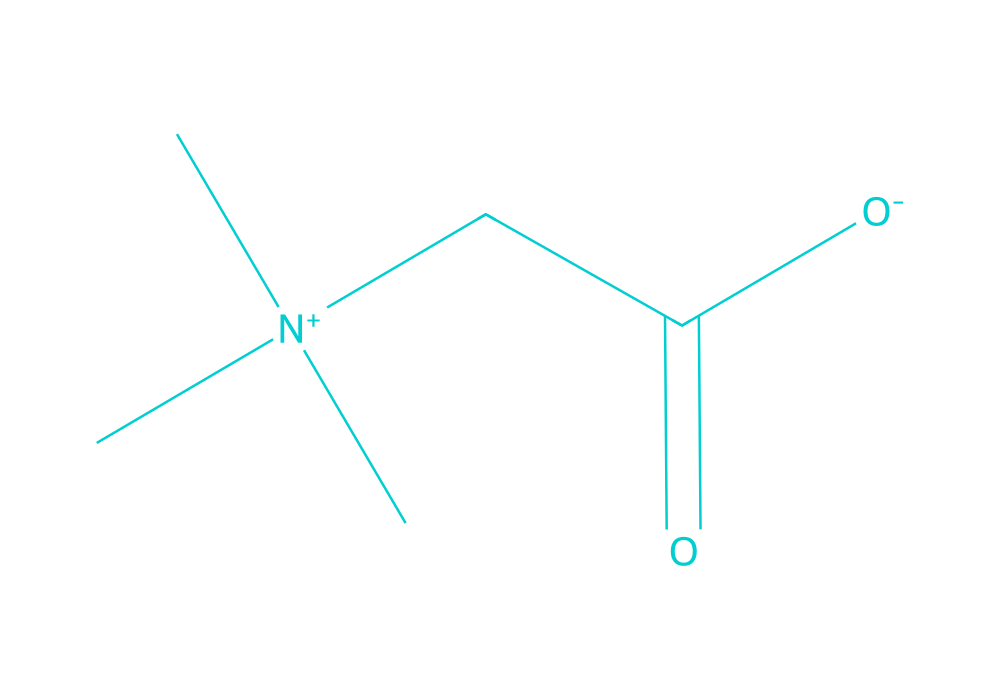
Marker compound: 2D structure drawn from the PubChem record (CID 247).
Lycium barbarum Fruit
betaine, zeaxanthin dipalmitate
total or named markers, as your specification states
Botanical (fruit)
Marker compounds: betaine (CAS 107-43-7), zeaxanthin dipalmitate
Method for the $250 identity, purity and quantity test: Chromatographic marker-compound assay, with detection selected for the compound, against a reference standard, with results in 3 to 5 business days.
The USP Herbal Medicines Compendium monograph (proposed for development) covers identity by HPTLC fingerprint and an assay of marker compounds by HPLC.
$250
Chromatographic purity and mg per unit by the method matched to the compound, identity against a reference standard. 1 unit.
| Add-on test | Price |
|---|---|
| Identity and impurities | |
| FTIR identity | $90 |
| CHNS elemental analysis (carbon, hydrogen, nitrogen, sulfur) | $125 |
| Chiral purity (where a chiral method exists; new methods quoted) | $250 |
| Water, solvents and salt form | |
| Water content by Karl Fischer | $60 |
| Residual solvents | $150 |
| Counterions: chloride, acetate and TFA | $70 |
| Assay | |
| Assay, % w/w (with raw powder purity; $250 together) | +$50 |
| Metals and conformity | |
| Heavy metals: arsenic, cadmium, chromium, mercury and lead | $150 |
| Conformity: purity and quantity on more units from the same lot | $100 per extra unit |
10% off for 10 or more samples.
Need something else? Other tests are available on request.
Purity and quantity is $250 per sample (1 unit) and raw powder purity is $200 for 50 mg, with results in 3 to 5 business days. Send the material sealed and labeled, with the label claim and the form it contains.
No. The $250 test covers identity, purity and quantity by a chromatographic assay, with detection selected for the compound.
Lycium chinense fruit is a close relative that is sometimes sold as goji. Botanical characters and the marker profile help tell the two apart.
The red color of goji comes mainly from zeaxanthin dipalmitate, which breaks down with light, heat and oxygen. Low carotenoid levels can point to old, heat-dried or poorly stored fruit.
Usually dried berries, powder, juice or extract. Dried berries are sticky and high in sugar, so they are homogenized carefully before extraction.
https://pubchem.ncbi.nlm.nih.gov/compound/247
Identity facts from the USP monograph header for this compound.
Start an order online, or send the compound name and the tests you need for a quote.